

Satoyama Mace Initiative Launches KMGBF-Aligned Carbon Mitigation Methodologies Following International Review

Fostering balance between humans and nature through AI-assisted Satoyama Initiative climate solutions.
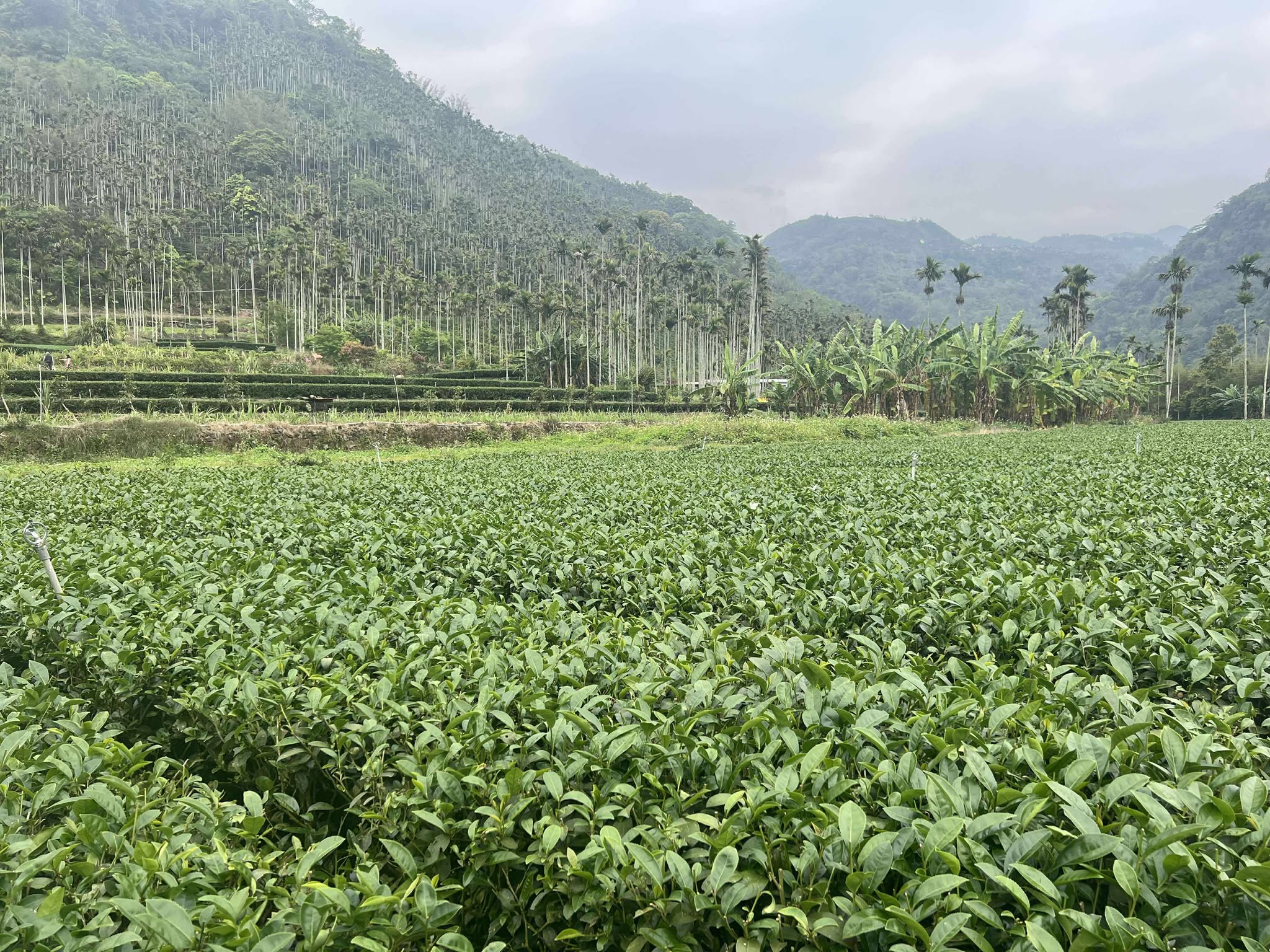
"Asian traditional rural landscapes leverage the Satoyama Initiative to generate carbon credits and foster sustainable economies through global environmental action." This image illustrates how community-based stewardship in traditional rural landscapes c
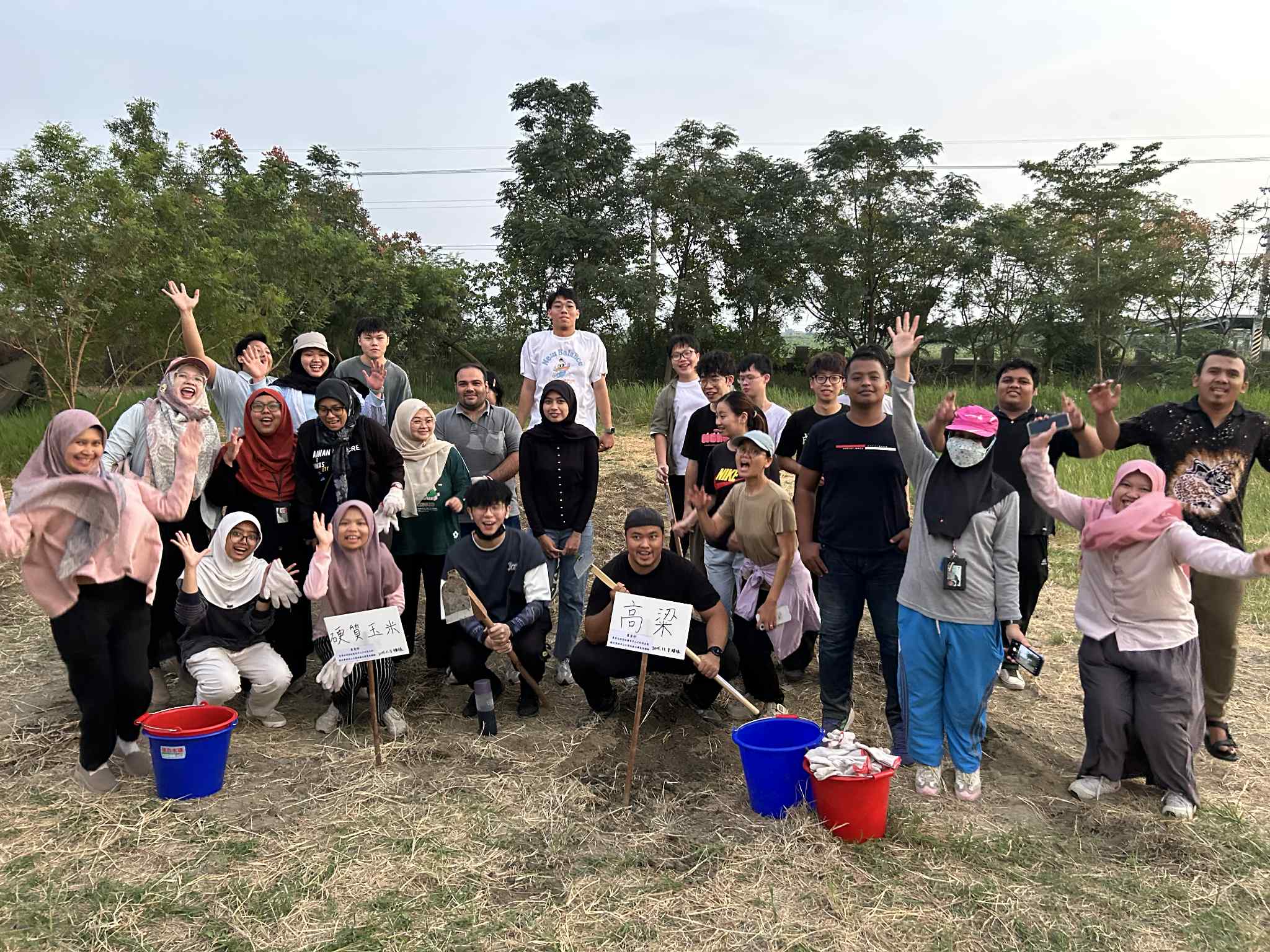
Indigenous Peoples Cultivating High-Carbon Sequestration Crops Witness the Universal Values of Climate Justice and Their Crucial Contribution.
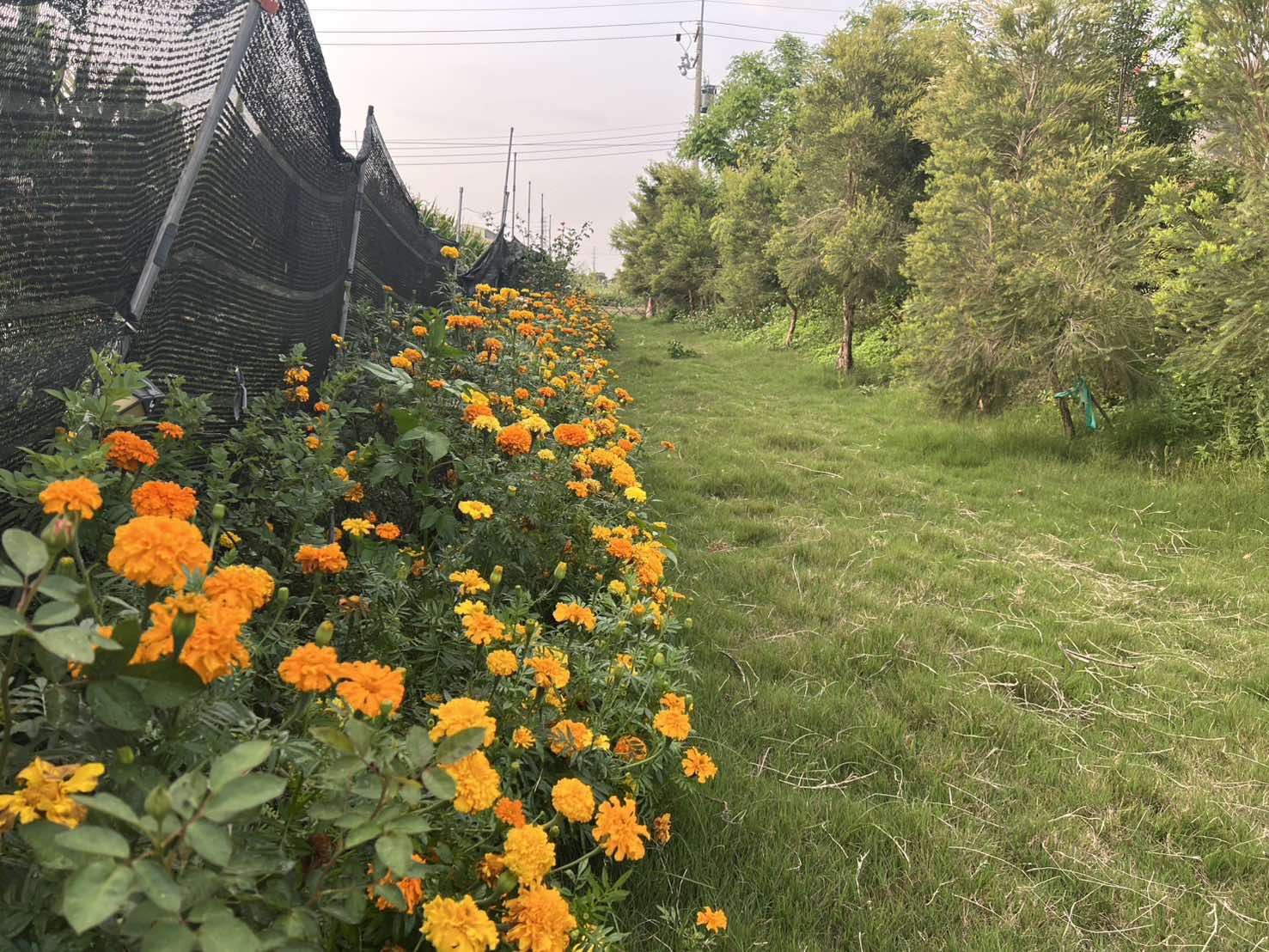
Marigold farming in socio-ecological landscapes supports both livelihoods and carbon sequestration."
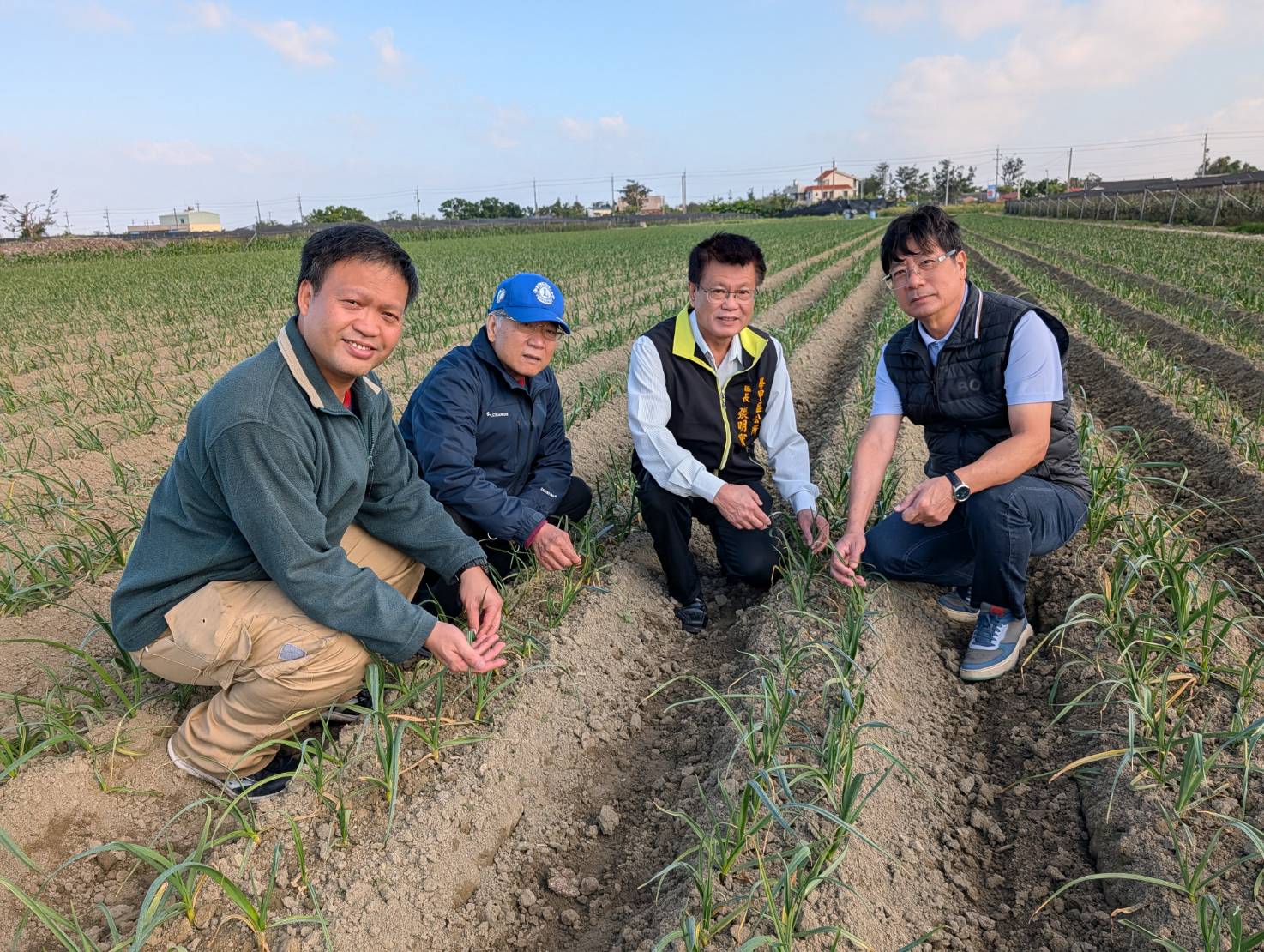
Garlic and shallots were once key crops in Syuejia; farmers now rotate sorghum to improve soil carbon storage and increase climate-resilient income.
New biodiversity-based carbon methodologies support global SEPLS management, climate mitigation, and equitable benefits for communities.
TAIWAN, January 8, 2026 /EINPresswire.com/ -- The Satoyama Mace Initiative (SMI), endorsed and supported by UNU-IAS/IPSI, has officially launched a comprehensive suite of carbon mitigation and sequestration methodologies fully aligned with the Kunming–Montreal Global Biodiversity Framework (KMGBF). The methodologies, approved following a rigorous international review, aim to support biodiversity-centered climate action while providing measurable socio-economic and environmental benefits.
The review process was coordinated by Prof. Wei-Sheng Chen of National Cheng Kung University and Mr. Andre Mader of the Institute for Global Environmental Strategies (IGES), Japan, and included experts from UNDP, UNU-IAS, UNEP, and leading academic institutions across nine countries. The review resulted in an approval rate of 52.9 percent, reflecting a highly selective and quality-focused evaluation process.
“The Satoyama Mace Initiative methodologies represent a significant step forward in operationalizing KMGBF-aligned climate solutions that integrate biodiversity conservation, ecosystem restoration, and equitable benefit-sharing,” said Prof. Wei-Sheng Chen. “Through robust monitoring, reporting, and verification (MRV) protocols, these methodologies provide transparent, scientifically rigorous approaches to carbon accounting across socio-ecological production landscapes and seascapes (SEPLS).”
Integrated Biodiversity-Based Framework
The SMI methodology framework is designed to quantify and verify greenhouse gas (GHG) emission reductions and removals generated through sustainable management of SEPLS. Developed in accordance with Clean Development Mechanism (CDM) methodologies and Climate Action Reserve (CAR) protocols, the framework employs robust MRV principles to ensure transparency, accuracy, and environmental integrity.
The methodology adopts a landscape-level accounting approach, enabling aggregation of diverse nature-based activities within defined geographic boundaries. Designed for application in developing countries, including Least Developed Countries (LDCs) and Small Island Developing States (SIDS), the framework facilitates access to carbon finance while delivering measurable benefits for climate, biodiversity, and socio-economic outcomes.
Approved Methodologies (https://ipsi.mse.ncku.edu.tw/methodologies)
The suite of approved methodologies includes:
1. Avoidance of Methane Emissions from the Decay of Organic Waste through Resource Processing
Developer: Chiu-Chung Young, Academician of Academia Sinica in National Chung Hsing University
Scope: Worldwide, Agricultural
Description: Farmers apply processed organic matter to cultivated fields to enhance soil fertility and soil organic carbon, avoiding methane emissions from unmanaged organic waste.
2. Biodiversity Methodologies for Biochar Utilization in Soil and Non-Soil Applications
Developer: Shu-Mei Wang, National Taiwan University
Funder: National Science and Technology Council, Taiwan
Scope: Globally across all agricultural regions, Agricultural and Urban/Peri-Urban
Description: Farmers convert nearby residues into biochar, applying it to fields to improve yields, reduce waste, enhance soil health, and integrate carbon sinks and biodiversity without altering traditional practices.
3. Methodology for Carbon Capture and Sequestration by Crops in Agricultural Facilities
Developers: Amit Kumar Sharma and Yen-Hsun Su, National Cheng Kung University
Funder: National Science and Technology Council, Taiwan
Scope: Any greenhouse area in Asia-Pacific, Agricultural and Urban/Peri-Urban
Description: Quantifies carbon capture through crop cultivation in controlled-environment and open-field systems, supporting climate-smart and regenerative agriculture, optimized soil carbon, and ecosystem services.
4. Methodology for Crop Rotation in Integrated Agricultural Land-Use Systems
Developers: Amit Kumar Sharma and Chen-Piao Yen, National Cheng Kung University & Tainan New Agricultural Biotechnology Production Cooperative
Scope: Worldwide, Agricultural and Urban/Peri-Urban
Description: Applies landscape-level carbon accounting across mosaics of secondary forests, pastures, ponds, and crop rotation systems encompassing 71,000 hectares with diverse crops, promoting ecological regeneration and biodiversity.
5. Methodology for Wetland and Seagrass Restoration
Developers: Ya-Hui Chang and Shu-Mei Wang, National Cheng Kung University & National Taiwan University
Scope: Worldwide, Agricultural/In-land Water/Coastal/Urban/Peri-Urban/Other
Description: Quantifies carbon sequestration and GHG reductions through wetland and seagrass restoration, enhancing biodiversity, coastal resilience, and sustainable ecosystem management.
6. Replacing Fossil-Fuel-Based Hydrogen Production (Blue Hydrogen) with Renewable-Based Green Hydrogen
Developer: Jyh-Ming Ting, Chairprofessor in National Cheng Kung University
Scope: Global applicability across multiple ecosystems
Description: Supports the transition from fossil-fuel-based hydrogen to renewable-based hydrogen, mitigating industrial carbon emissions and environmental degradation.
Modular MRV Components
To facilitate accurate, scalable, and transparent carbon accounting, SMI also approved technical modules that complement methodologies:
1. Indoor Plant Carbon Capture and Storage Estimation – Standardized framework for estimating carbon sequestration in indoor plant systems.
2. System-of-Systems MRV for Biodiversity Ecosystems – UNU-IAS/IPSI-endorsed framework integrating satellites, telemetry, field surveys, machine learning, and modeling to quantify carbon outcomes while supporting Indigenous peoples and local communities.
3. Soil Sampling, Preservation, and TOC, CH₄, N₂O Analyses – ISO-compliant methods for laboratory and field-based measurement of greenhouse gas fluxes and soil carbon stocks.
“These modular components ensure interoperability across projects while preventing double-counting,” explained Prof. Chen. “They also strengthen decision-making for policymakers, practitioners, and communities by linking ecosystem restoration, sustainable land stewardship, and high-integrity carbon markets.”
International Significance
The approval of these methodologies represents a milestone in operationalizing KMGBF climate targets, demonstrating how biodiversity conservation and ecosystem restoration can be fully integrated into carbon market frameworks. By providing robust MRV tools and globally applicable methodologies, the Satoyama Mace Initiative enables high-integrity carbon credit generation while delivering tangible benefits for climate mitigation, biodiversity, and local communities.
The methodologies are designed to serve developing countries, LDCs, and SIDS, enhancing access to climate finance and supporting equitable, science-based, and transparent approaches to carbon sequestration and emission reductions.
“The SMI framework bridges science, policy, and local practices,” said Prof. Chen. “It empowers communities and practitioners to implement carbon-smart solutions that are both environmentally and socially responsible, in line with global biodiversity and climate agendas.”
Shu-Mei Wang
SEPLS Carbon Credit Regional Revitalization Center
+886 2 3366 4420
email us here
Visit us on social media:
LinkedIn
Other
Legal Disclaimer:
EIN Presswire provides this news content "as is" without warranty of any kind. We do not accept any responsibility or liability for the accuracy, content, images, videos, licenses, completeness, legality, or reliability of the information contained in this article. If you have any complaints or copyright issues related to this article, kindly contact the author above.
